

Cricket is known as a game of numbers, but there are some that count more than others. A similar idea can be associated with Dot Ball in Cricket. A dot ball sounds ordinary at first glance but it is, infact one of the most critical influences in modern cricket formats such as T20 and ODI.
This post explains all about the dot balls in very simple language so it becomes easy for even a rookie to understand. From origins and intentions to tactics, statistics and the actual match impact — this guide has it all.
What is a Dot Ball in Cricket?
A Dot Ball in Cricket is a ball delivered by the bowler which results in no runs to the batting side and no extras (wides or no balls) to both sides.
The name comes from traditional scorebooks, where a scorer will use a dot (•) to indicate the ball was not hit.
Key Conditions of a Dot Ball
A ball becomes a dot ball if:
- The batsman have not run anything
- No extra run is given
- The ball is legal
A dot ball will be erased if even one run is scored or an extra is given.
What is the significance of a Dot Ball in Cricket?
“Wickets are the only way to stop runs.” But players and coaches at that level know that dot balls are equally as valuable as wickets.
A series of dot balls:
- Builds pressure on batsmen
- Forces risky shots
- Changes momentum
- Creates wicket-taking opportunities
In other words, dot balls are game control without wickets.
Dot Ball in Various Forms of Cricket
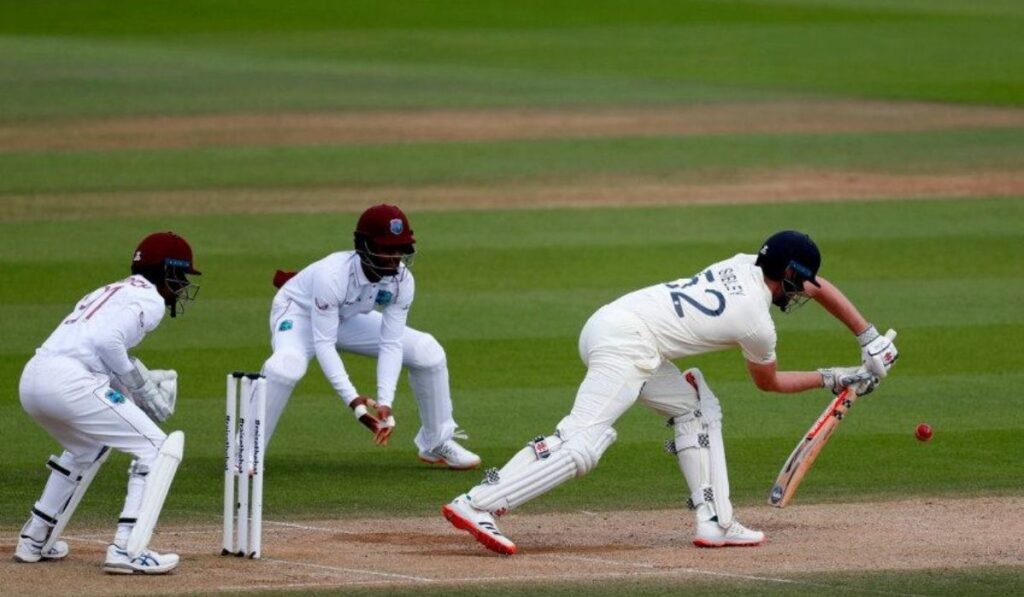
A Dot Ball in Cricket means different things depending on the version being played.
Dot Ball Impact by Format
| Format | Importance Level | Reason |
| Test Cricket | Medium | Focus is on patience and defense |
| ODI Cricket | High | Run rate pressure builds |
| T20 Cricket | Very High | Even 2–3 dot balls can change a match |
In T20 cricket, a 4 dot balls over can change the momentum completely.
Read More: South Africa National Cricket Team vs New Zealand National Cricket Team Timeline
How Dot Balls Can Put Pressure on Batsmen
Pressure in cricket is sometimes not the least bit tangible. The dot balls keep building up the mental pressure.
How Pressure Builds
- Batsmen have an urge to score
- Shot selection becomes risky
- Timing gets affected
- Chances of mistakes increase
A lot of wickets fall to the ball directly after that dot-ball-induced pressure, not because it is a great ball, but just frustrated with themselves.
Dot Ball Percentage: What Is It And Why Does It Matter?
Modern cricket uses advanced statistics. One key measure is the dot ball percentage.
Dot Ball Percentage Formula
Dot Ball Percentage = (No. of Dot Balls / Total Balls Bowled) x 100
Example Table
| Balls Bowled | Dot Balls | Dot Ball % |
| 120 | 48 | 40% |
| 24 | 10 | 41.6% |
| 300 | 90 | 30% |
Any T20 bowler that has a dot ball of 35% or more can be termed as Good.
Role of Dot Balls for Bowlers
For a bowler, dot balls are ammunition.
Benefits for Bowlers
- Controls run flow
- Forces false shots
- Improves economy rate
- Builds confidence
A bowler can be less glamorous with fewer wickets and a lot of dot balls but be more effective than the strike bowler who frays under pressure and leaks runs.
Best types of bowling to bowl dot balls
Not all shapes of delivery create dot balls in equal measure.
Best Bowlers in Terms of Dot Balls
| Bowling Type | Why Effective |
| Fast Bowlers | Swing, seam, bounce |
| Spinners | Flight, turn, variation |
| Yorkers | Difficult to score |
| Slower Balls | Breaks timing |
You need accuracy to bowl dot balls more than speed.
Which is More Important: Wickets or Dot Balls?
This is a common debate.
Comparison Table
| Aspect | Dot Ball | Wicket |
| Immediate Impact | Low | High |
| Long-Term Pressure | High | Medium |
| Run Control | Excellent | Limited |
| Mental Effect | Strong | Sudden |
In fact, dot balls and wickets are best served in together. Dot balls build pressure, wickets deliver knockout blows.
Read More: India National Cricket Team vs New Zealand National Cricket Team Timeline
Dot Balls T20 Cricket: Turn the Game Around!
If you are playing T20, Dot Ball in Cricket be a gold.
Why Dot Balls Matter in T20s
- Every ball counts
- Required run rate rises fast
- Powerplay overs become crucial
- Batsmen have limited time
A single maiden over or even a half-maiden can win the match.
Well Known Games In Which Dot Balls Made The Difference
Many matches have featured a crucial role for dot balls.
Common Match Scenarios
- Defending a small total
- Death-over pressure
- Super Overs
- Powerplay restrictions
In tight games, teams frequently come out on top when they have sent down more dot balls than the opposition – not when they have taken more wickets.
How Batsmen Deal with Pressure of Dot Balls
The good batsmen can cope with dot balls.
Techniques Used by Batsmen
- Rotating strike
- Playing late
- Using soft hands
- Targeting weak bowlers
The good players are obsessed with releasing the dot-ball pressure, not hitting every ball for a boundary.
Dot Balls and Team Strategy
The most modern sides plan dot balls.
Strategic Use of Dot Balls
- Defensive fields
- Specific matchups
- Short spells
- Fielding pressure
Data is crunched, teams are briefed, and then opponents’ weaknesses when it comes to dot balls are identified.
Dot Ball Cricket at the Grassroots
Even at school and club, it matters how many dot balls you bowl.
Why Beginners Should Learn Dot Ball Value
- Teaches discipline
- Improves bowling accuracy
- Builds patience
- Encourages smart cricket
Coaches often teach young bowlers to think dot balls before wickets.
Read More: India National Cricket Team vs Bangladesh National Cricket Team Timeline
Common Myths About Dot Balls
Myth 1: Dot balls are dull.
Truth: They make for thrilling tactical moments
Myth 2: Dot balls are only important to bowlers
Reality: Captains and analysts would be high in demand
Myth 3: Dot balls don’t win you games
Truth: Games are won as much through dot-ball pressure as though smashing a four or six.
Benefits of Dot Balls for Fielding Side
Fielding teams benefit greatly.
Advantages
- Builds team morale
- Improves energy
- Creates crowd pressure
- Forces errors
With such a tight field every dot ball becomes more consequential.
Dot Ball in Cricket – Simple Summary
A Dot Ball in Cricket Is More Than Just a Ball With No Runs. It is:
- A pressure-building tool
- A strategic weapon
- A match-changing factor
- A sign of disciplined bowling
The best sides specialise in bowling dot balls regularly.
Conclusion
The game of cricket is changing but one thing that hasn’t changed — dot balls win you games. Whether it is Test cricket or an intense T20 with a run rate of 15, the significance of a Dot Ball in Cricket holds supreme.
From novices to pros, if you understand the significance of dot balls, then players, fans and analysts will appreciate the subtler strategy behind the game. The boundary always lifts the crowd, but it is usually those quiet dot balls that determines who wins.
FAQs On Dot Ball in Cricket
Q1. What is a dot ball, in cricket?
In the sport of cricket, a dot ball is defined as a delivery from the bowler that a batter does not score off.
Q2. How do we understand the importance of dot ball in cricket?
A dot ball is crucial to maintain pressure on the batsman and enables the bowling team to dictate the flow of runs.
Q3. Is wide ball a dot ball?
No, a wide or no-ball is does not record as dot ball because one more run is given.
Q4. Why dot balls gain more significance in T20 cricket?
In T20, there are fewer balls and hence every dot ball builds pressure resulting in a quick change for the match.
Q5. How do dot balls benefit the bowlers?
Dot balls are a positive for bowlers in two ways – one by tightening their economy rate, and inducing a batsman into an error under pressure.