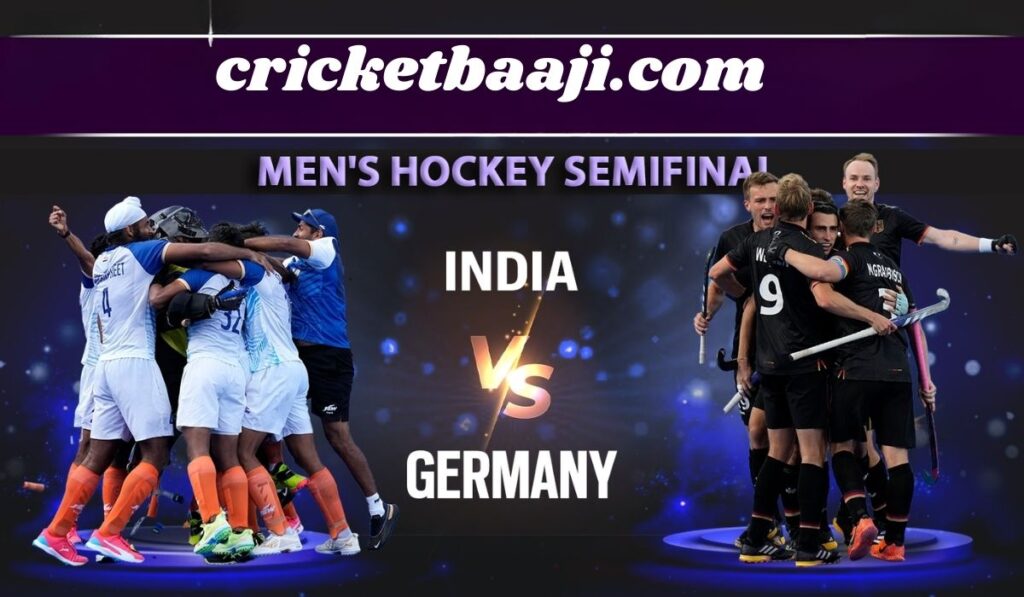

India vs Germany Hockey H2H Record: Field hockey is a sport of great heritage and national honour, which has given birth to some epic rivalries over the years. The India – Germany is not just a story of ups and downs and swapping styles of play, it has also given both countries, in setting up their own tradition of hockey, enough opportunity to size each other up on the international stage therefore leaving indelible impressions in several famous encounters that Hockey came with.
The First Encounter: Dominant Start
The first official match played by India and Germany at Munich resulted in a score line of 6-0 against the Indians which during actual play had proven their worth to be at the international level. It wasn’t just that they lost by such a big margin, but because it was representative of what India were doing to the sport at the time in itself. In a team that had legends like Dhyan Chand, it was indeed very difficult to front India pre-independence with their pace, skill individual buy in and fast ball skills which left little opportunities for the opposition to do anything with the ball at all.
This first game not only started the rivalry, but it was one that would evolve and transform as these two nations changed their culture, politics and more in their hockey.
Read More: India National Cricket Team vs Australian Men’s Cricket Team Timeline / India National Cricket Team vs Sri Lanka National Cricket Team Timeline
A Nice Chapter: The 1936 Berlin Olympics
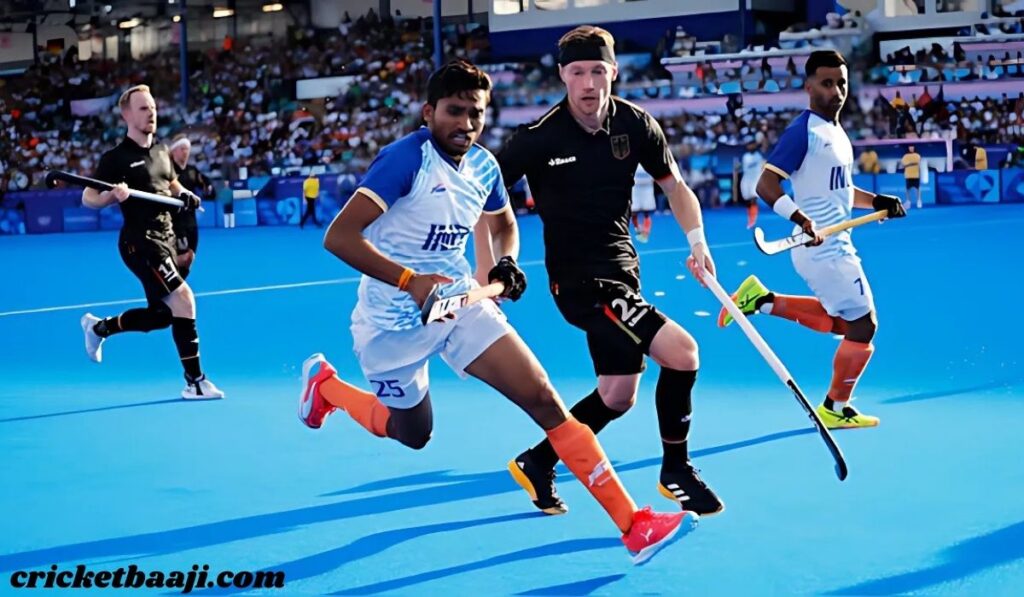
One of the most important occasions in an unfortunate better chapter, the India-Germany rivalry came in the shape of the German Olympic meeting at the Berlin Olympics of 1936. This Olympic hockey tournament had its own politics, occurring under Nazi Germany. What became a historic match, India annihilated the Germans, by a score of 8-1 in the final for their third consecutive Olympic Gold medal.
Regarding hockey, this was more than just a final; it was a statement that Dhyan Chand, arguably the greatest field hockey player of all time was proud of. It was not just India’s biggest win over Germany, this was symbolic as it not only had repercussions well beyond the boundary of hockey but mythically crushed Aryan supremacy.
Era of Independence: Transition and Tug of War
Following India’s independence in 1947 and restructuring the sports administration, India remained a giant for hockey and on the global stage until the 1950’s and 1960’s. There were many competitions in this timeframe between India and Germany, with more wins going in India’s favour, however Germany started to lay the groundwork.
It was during the late 1970s where Germany had solidified itself as a hockey superpower and this was indicative of larger trends in Europe that primarily engaged in instituting rigorous training regimens, tactical discipline as well as physicality. The 1976 Olympics in Montreal changed the trajectory of the rivalry when Germany sought brutal revenge on India beating them 7-1, Germany’s largest beat down against India at that point. This was indicative of the transition in the global hockey landscape: a transfer of dominance from Asia to Europe
Statistical Overview of the Rivalry
According to the most recent encounter between India and Germany in the 2024-25 FIH Pro League, the below stats describe the all-time series records between the two teams:
- Total Number of Matches: 113
- Wins by India: 28
- Wins by Germany: 58
- Draws: 27
- Total Goals by India: 190
- Total Goals by Germany: 245
These statistics reflect Germany’s advantages over the years, particularly during the modern era. Nevertheless, India’s 28 victories and 27 draws show the ability of India to give a true contest against this European powerhouse even at their lowest moments.
Modern Era: Competitive Parity Saddle
Both teams underwent periods of rebuilding in the early 2000s. Germany continued to be a strong player with a structured domestic league and quality player development programs. They have won Olympic gold medals in 2008 and 2012 reflecting their consistency, quality, and class.
India struggled to keep pace for a while, but in the 2010s, we saw a slow upward turn. We saw investments in coaching and fitness and infrastructure. Then of course those players; PR Sreejesh, Manpreet Singh and Harmanpreet Singh got India hitting towards the international mark again.
While Germany had a much better record on head-to-head, India were starting to challenge them more regularly. Their contests were close affairs in the FIH Pro League, Champions Trophy and World Cup tournaments.
Read More: England Cricket Team vs India National Cricket Team Timeline / West Indies Cricket Team vs South Africa National Cricket Team Timeline
Recent Bouts and Power Shift
The last contest was at the 2024-25 FIH Pro League in Bhundaneshwar, where India triumphed in a narrow but nevertheless significant 1-0 contest. This not only earned India three points, but heavily made a psychological statement about where India is in modern hockey . With better defensive structure, faster counter attacks, faster developing counter attacks, and better penalty corner conversion rates, India is now a much more dangerous team against top opposition like Germany. While Germany is still a top team, it is fair to say we have gone from one side matches to tactical chess matches. Both teams are now looking for tactical fitness, coordination and flair.
Tactical differences: when east meets west
A major component of the India vs Germany rivalry is their differing playing styles:
India has traditionally relied on flair, stickwork and creativity. Rather than entirely abandoning their artistic styles of play, they have come to understand that other factors, such as fitness and playing systems with pressing, have become fundamental parts of how the modern game is played.
Germany have long understood that structure, discipline and tactical execution are necessary for success. Their game is based upon having strong positional awareness, enabling fast transition with their passing, and being organized and compact when defending.
These different philosophies provide for some wildly entertaining encounters. Big when can play with flow, they can break through the best-organized defence. At the same time, Germany can systematically grind down teams when they control the tempo.
Legacy and Impact
India and Germany have made huge contributions to world hockey:
India has 8 Olympic Gold medals (the most of any country in history), and undoubtedly has the most historic legacy in the game in the early part of the 20th century.
Germany has 4 Olympic gold medals (including East Germany’s 1972 win) and has remained one of the most consistent contributors to International Field Hockey in the modern era.
The rivalry has produced memories but has also pushed both teams to change. I believe India has benefited from learning from losses to disciplined European teams like Germany, while Germany has had to develop constantly moving forward to keep ahead of the emerging Asian teams.
Great Matches in the Rivalry

1. 1936 Olympic Final (India 8-1 Germany)
- India’s performance led by Dhyan Chand, shocked the host country.
- A prideful moment but also a moment of importance politically.
2. 1976 Montreal Olympics (Germany 7-1 India)
- This would mark the shift in the sport’s balance of power from Asia to Europe.
3. 2024-25 FIH Pro League (India 1-0 Germany)
- This was a narrow victory for India, but clearly demonstrated wear India is take the game in the modern era with their resurgence now.
4. Several World Cup and Champions Trophy Matches
- India and Germany played several matches that often ended with a single goal margin, but clearly represented the increasing parity in the sport.
The Road Ahead: What We Can Expect
As we look into the future, the India-Germany rivalry promises to be one of the stories of the sport. Both nations are investing substantial resources into youth development and strengthening their infrastructures, and so we should expect more occasions of extreme, exciting rivalry.
Topics to watch:
Olympic Qualifiers and Olympic Games: These two nations will be both be aiming for medal success at Paris 2028, and their matches with each other may well define their medal quests.
FIH Pro League: Both nations will play regularly in this league, giving the fans non-stop action from both countries, and regular competitive encounters.
Youth Competitions: The rivalry is now also officially at the junior level frontier, testing the next generations of stars for both nations.
Conclusion
While Germany currently holds the edge when it comes to stats, the India vs Germany hockey rivalry is far deeper than statistics. It includes the history and evolution of the sport – from artistry and athleticism, to personal excellence a tactical strategy, and a celebration of both countries.
India’s early dominance, Germany’s systematic rise, and now the practical standoff makes this rivalry one of the longest, most enduring and exciting that international hockey fans can witness. Each time they meet there is an incredible blend of history, national pride, individual and tactical skill, and curiosity. As both nations continue to create new stories in this long saga of stick and spirit, each time they meet, fans will lap it up.
FAQs: India vs Germany Hockey Head-to-Head Record
Q. Between India and Germany, who has the better head-to-head record in all matches?
A. So overall it is not a bad record, although India are still trailing in head-to-head count with (West) Germany. It is partly to do with a generation of German hegemony through the 1970s to early 2000s relative decline in Indian hockey. But the chasm has shrunk greatly over recent years and India have won several key matches between them in the past decade.
Q. Who has won more head-to-head matches?
A. They may also differ slightly from official figures depending on the source and whether certain types of matches, such as junior or ‘B’ team fixtures, are included. But if you take a widely accepted count of major international matches (Olympics, WC, Champions Trophy, Pro League etc.) that stat is around:
Total Matches: 80+
Germany Wins: ~40
India Wins: ~25
Draws: ~15
Q. Why this rivalry matters so much?
A. It is a traditional showdown between hockey philosophies and two of the sport’s most successful nations.
India: Titans of the Past, with a legacy of attacking, skillful hockey and 8 Olympic gold medals.
Germany: A modern day powerhouse, 4 Olympic gold medals and numerous World Cups to their name, they are known for a strong, disciplined and physically powerful style of hockey.
Their encounters are slanted somewhere in between a super clash of India’s artistry and Germany’s tactical precision.
Major Tournament Encounters
Q. How have they fared in the Olympics?
A. Their greatest battles, indeed, have been fought on the Olympic stage. Modern Olympic history generally favors Germany, too.
Most Recent Clash: 2020 Tokyo Olympics Bronze Medal Match. India completed an exhilarating comeback with a 5-4 victory, winning their first Olympic medal in 41 years.
Notable Past Finals: West Germany (Germany) defeated India in the 1972 Munich Olympic final. India beat Germany in the quarter-finals of the 1996 Atlanta Olympics.
Overall Olympic Record: Medal wise, it’s Germany who are top of the pile at the Olympics.
Q. What is their history at the Hockey World Cup?
A. Germany’s dominance is even stronger in the World Cup.
Latest Clash: 2023 FIH World Cup. The game finished 1-1 after extra time, but Germany won a penalty shootout 4-3.
Famous Final: Germany beat India in the 1982 and ’86 World Cup finals. And most recent, Germany beat India in the 2022 FIH Nations Cup final.
OVERALL WORLD CUP RECORD: Germany has the most victories.